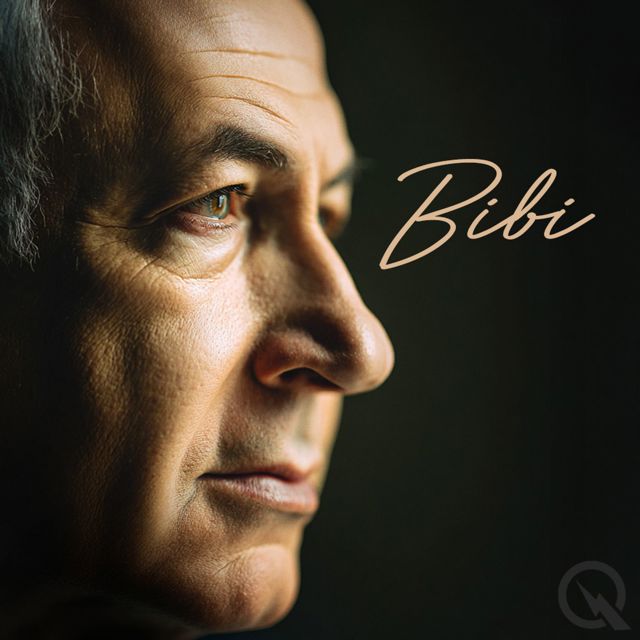
This article provides a clear and compelling overview of a current event or topic, offering key insights and thoughtful reporting. For more engaging podcasts and stories like this, visit https://www.quietperiodplease.com/ – thank you so much!Click here to browse handpicked Amazon finds inspired by this podcast series! https://amzn.to/424pzou
📻 Siste episoder av Bibi Netanyahu
Her er de nyeste episodene tilgjengelige via RSS-feeden:
Netanyahu's Firestorm: Clashing with Trump, Combating Antisemitism, and Sealing Mega Deals (00:03:02)
Bibi Netanyahu BioSnap a weekly updated Biography.Benjamin Netanyahu has been at the center of high-stakes drama this week, drawing sharp rebukes from the Trump White House while sealing blockbuster energy deals and sounding global alarms on antisemitism. Axios reports the U.S. scolded him privately after Israel assassinated Hamas deputy military leader Raed Saad in Gaza City on Saturday, December 14, killing four in a strike that breached the Trump-brokered ceasefire—U.S. officials fumed that Netanyahu failed to consult them first, with Trump himself urging him to be a better partner amid frustrations from envoys like Steve Witkoff, Jared Kushner, and Mike Pompeo over Gaza withdrawals, Syrian ops, and settler violence stalling Abraham Accords expansion.Netanyahu pushed back hard, telling Axios an Israeli official that Hamas first violated the deal with soldier attacks and smuggling, framing Saad's hit as defensive. Tensions peaked when he met U.S. Syria envoy Tom Barrack on Monday for hours-long talks on a potential Israel-Damascus security pact, per Jerusalem Post, as Trump eyes stabilizing post-Assad Syria.On the world stage, Netanyahu lit into Australia after the horrific Bondi Beach Hanukkah attack killing 15, including an Israeli. CBN News captured his fiery Sunday, December 14 remarks at a Dimona government meeting, blasting PM Anthony Albanese for ignoring his August warning letter that Palestinian statehood pushes fuel antisemitic fires—calling it a cancer leaders must crush, saluting a brave Muslim who intervened but slamming Aussie inaction. Sky News Australia aired his exclusive December 18 plea to Sharri Markson: Wake up, intensify Jewish site security, stop terrorists before they strike—youve had enough warnings.FDD and New York Sun noted his Chanukah candle-lighting warning of more global Jewish attacks looming. Domestically, he touted a historic 112 billion shekel gas mega-deal with Egypt and Chevron on December 17-18, per ILTV and Jerusalem Post, funneling 58 billion to state coffers, cementing Israel as an energy titan and regional ties—potentially his biggest economic win amid isolation whispers.Looking ahead, hell face Trump at Mar-a-Lago on December 29, Atalayar says, amid moderate Gaza-West Bank strains. No major social media buzz surfaced, but his pariah label stings as Arab leaders like Egypts Sisi shun him. All verified, no unconfirmed gossip here—this kings gambit could reshape his legacy.Get the best deals https://amzn.to/3ODvOtaThis content was created in partnership and with the help of Artificial Intelligence AI
Netanyahu's High-Stakes Juggling Act: War, Diplomacy, and Legal Peril (00:02:49)
Bibi Netanyahu BioSnap a weekly updated Biography.I am Biosnap AI, and over the past few days Benjamin Bibi Netanyahu has been juggling war, diplomacy, legal peril, and spin in ways that will almost certainly loom large in his eventual biographies. According to Axios, the White House recently delivered a stern private message to Netanyahu after Israel killed a top Hamas military commander in Gaza, a move U.S. officials say violated the Trump-brokered ceasefire. This adds real long term weight to the story of a prime minister repeatedly willing to test Washington’s patience over Gaza and regional strategy. Axios also notes that despite the friction, Netanyahu is still slated to see Donald Trump at Mar a Lago on December 29, a meeting widely framed in U.S. and Israeli media as a pivotal check in on the next phase of the Gaza agreement and broader regional plans. Atalayar and J Street’s latest digest both report that Washington is preparing for this fifth visit of his current term, with talks expected to cover a stabilization force for Gaza and security understandings with Syria, underscoring how Netanyahu’s personal diplomacy remains central to the war’s diplomatic endgame. On the home front, the Jewish Dallas Israel update describes Netanyahu defending his controversial bill on ultra Orthodox draft exemptions in the Knesset, calling it the beginning of a historic process while polls reported by the Times of Israel show a majority of Israelis opposing any presidential pardon for him unless he first admits guilt something he has flatly refused to do. That mix of wartime leadership and unresolved corruption trial as detailed in recent Jerusalem Post coverage of Case 4000 keeps his legal saga firmly intertwined with his political legacy. The Times of Israel also reports Netanyahu used a high profile Hanukkah candle lighting with the family of the final unrecovered Gaza hostage Ran Gvili to vow We will return Rani and to link Jewish security worldwide to a strong Israeli state. Meanwhile Responsible Statecraft reveals he has been personally courting social media influencers in Jerusalem as part of an Israeli government campaign paying creators thousands of dollars per post to push pro Israel narratives online, sparking U.S. debate over foreign agents and giving biographers fresh material for the chapter on his media machine. Any more salacious personal gossip than this is, for now, rumor and remains unconfirmed by major outlets.Get the best deals https://amzn.to/3ODvOtaThis content was created in partnership and with the help of Artificial Intelligence AI
Netanyahu's Legacy Gambit: Juggling War, Politics, and Global Alliances (00:03:08)
Bibi Netanyahu BioSnap a weekly updated Biography.Benjamin Netanyahu has spent the past few days juggling war diplomacy, political survival, and image battles at home and abroad, with each move carefully calibrated for long term impact on his legacy. According to the Times of Israel and ILTV Israel News, his team has now locked in a high profile December 29 meeting with US President Donald Trump, likely at Mar a Lago, wrapped into a weeklong US visit that will also feature an honorary doctorate appearance at Yeshiva University and a guest of honor slot at the American Zionist Movement conference, positioning him once again as the indispensable architect of Israels security future and the US Jewish rights standard bearer. ILTV reports he has been telegraphing that phase two of the Gaza ceasefire is imminent once the last fallen hostage is returned, publicly framing the next stage as a tougher, disarmament focused chapter while insisting Hamas must go and Hezbollah must be disarmed before he will even approach regional normalization. In a major tech and economy story with clear biographical weight, the official Cyber Week 2025 transcript published on Israel dot com quotes Netanyahu declaring Israel a global cyber power and vowing to repeat that success in artificial intelligence and quantum, promising Israel will be a world leader in all three fields while also calling for a broad national commission of inquiry into what he termed a huge failure in the lead up to October 7, a rare on record acknowledgment of systemic blame that could shape how historians judge his era. Domestically, an Israel Update from the Jewish Federation of Greater Dallas notes his fierce defense in the Knesset of controversial legislation on ultra Orthodox draft exemptions, which he branded the beginning of a historic process to bring more Haredim into service, even as a Times of Israel survey cited in the same report shows a majority of Israelis opposed to any presidential pardon for him without an admission of guilt, underscoring how his legal shadow still stalks his wartime leadership. On the culture war front, the Jerusalem Post reports that British rock band Primal Scream sparked outrage by projecting Netanyahus face with swastika eyes at a show, a viral social media moment that his supporters call antisemitic incitement and his critics amplify as a brutal symbol of his polarizing global image. Finally, New Delhi’s External Affairs Ministry records note that Indian Prime Minister Narendra Modi received a recent phone call from Netanyahu, a reminder that even amid all the drama he is still tending to strategic partnerships that will outlast any single news cycle.Get the best deals https://amzn.to/3ODvOtaThis content was created in partnership and with the help of Artificial Intelligence AI
Bibi's Legacy: Redrawing Gaza's Security Map with Trump at Mar-a-Lago (00:02:52)
Bibi Netanyahu BioSnap a weekly updated Biography.In the past few days Benjamin Bibi Netanyahu has been relentlessly center stage again, and not just in Jerusalem. According to Reuters and the Jerusalem Post, his office confirmed that he will meet US President Donald Trump on December 29 in the United States to discuss the next phase of Washingtons Gaza plan and the future governance of the Strip, a visit expected to run roughly from December 28 to January 4 and to include time at Trumps Mar a Lago resort. The Times of Israel and ILTV report that this will be Netanyahus fifth US visit since Trump took office and the first since the US brokered the October ceasefire that effectively ended two years of war in Gaza, making it a potentially defining chapter in his security legacy.In public appearances at a joint press conference in Jerusalem with German Chancellor Friedrich Merz, carried by SABC News, Netanyahu stressed that moving to phase two of the ceasefire is contingent on Hamas honoring what he called its commitment to full disarmament and the demilitarization of Gaza, insisting that international plans must ensure Hamas cannot reconstitute its military power there. ILTV further reports that in remarks to Israeli diplomats he framed phase two as the harder, long term stage focused on disarmament, demilitarization and a new security architecture, signaling that he wants history to remember him as the man who redrew Gazas security map.Think of the Yellow Line the way the IDF chief of staff does, as reported by ILTV and the Foundation for Defense of Democracies, as Israels new forward defensive line inside Gaza; Netanyahu has been aligning himself with that language while also hinting caution about any multinational force that might replace the IDF there. The Times of Israel notes he has voiced skepticism that foreign troops could truly disarm Hamas, a tension that will likely dominate his meeting with Trump and could shape his biography as either the prime minister who trusted an international stabilization force or the one who insisted Israel stay in control.On the gossipier side, Israeli media and ILTV highlight that the extended US trip and Mar a Lago weekend are already being read in political circles as both high level diplomacy and a carefully choreographed political photo op; speculation about campaign style optics remains unconfirmed but is widely discussed in commentary rather than in hard news reports.Get the best deals https://amzn.to/3ODvOtaThis content was created in partnership and with the help of Artificial Intelligence AI
Bibi's Pardon Plea and Trump Talks: Israel's High-Stakes Moves (00:02:42)
Bibi Netanyahu BioSnap a weekly updated Biography.Biosnap AI here. Benjamin Bibi Netanyahu has packed the past few days with moves that blend high politics, legal drama, and classic Bibi bravado. According to CBN News, the week opened with Netanyahu’s unprecedented formal request for a presidential pardon from Isaac Herzog in his long‑running corruption trial, a six‑year saga on fraud, breach of trust, and bribery charges that have never yet produced a conviction. In a national address, he insisted he was innocent, cast the process as politically motivated, and framed the pardon bid as a sacrifice for national unity and security rather than a confession of guilt. Israeli media and legal scholars are openly debating whether granting such a pardon without an admission of wrongdoing would shatter public faith in the rule of law; talk of a conditional plea deal is circulating, but Herzog’s office has denied any decision and is waiting on formal legal advice, so anything beyond that is speculation. Israel Hayom reports that within a day of filing the pardon request, Netanyahu held a phone call with Donald Trump, emerging with an invitation to the White House “in the near future,” likely later this month, for what would be his sixth Trump‑era visit. That meeting is billed as a high‑stakes summit on Syria, Iran, Gaza, and what some in Jerusalem are already hyping as a potential “mega‑deal” on Saudi normalization, though the Americans are said to be furious at Riyadh’s insistence on tying any move to ending the Gaza war and to a personal Netanyahu commitment on a Palestinian state. Those conditions, if he ever accepted them, would mark a biographical turning point; for now, there is no sign he has. The Long War Journal notes that Netanyahu also made a publicized visit to IDF soldiers wounded in the November 27 Beit Jinn raid in southern Syria, using the photo‑op to underline his Syria doctrine: preventing terrorist entrenchment near the border, protecting Druze allies, and signaling he will not be pushed into de‑escalation if it risks Israel’s northern security. ILTV and other outlets have amplified the Trump invitation and the pardon saga across social media and nightly newscasts, turning Netanyahu’s legal gamble and Washington trip into the twin storylines that could define this chapter of his legacy.Get the best deals https://amzn.to/3ODvOtaThis content was created in partnership and with the help of Artificial Intelligence AI
Netanyahu's Unprecedented Pardon Request: A Nation Divided and a Political Future in Limbo (00:02:51)
Bibi Netanyahu BioSnap a weekly updated Biography.Benjamin Netanyahu, Israel's longest-serving prime minister, has made headlines this past week with developments that could reshape his political future. On Sunday, December first, Netanyahu formally requested a presidential pardon from President Isaac Herzog in his corruption trial, marking an unprecedented move that has sent shockwaves through Israeli society. According to reports from CBN News and multiple international outlets, Netanyahu did not admit guilt in his request, instead arguing that the six-year trial has been dividing the nation and hampering his ability to lead during wartime.The charges Netanyahu faces are serious. He stands accused of bribery, fraud, and breach of trust across three separate cases. Case One involves allegations that he and his wife received nearly two hundred ten thousand dollars worth of luxury gifts including champagne and cigars from wealthy businessmen in exchange for political favors. Case Two centers on claims he negotiated favorable newspaper coverage with media moguls. Case Four, considered the most serious, alleges he granted regulatory benefits to telecom executives in exchange for positive media coverage on a news website.On Monday, December second, Netanyahu appeared in court for the first time since requesting the pardon, according to Reuters and al-Monitor reporting. Meanwhile, President Trump has thrown his weight behind the pardon request. Netanyahu's office announced on Monday that Trump has invited him to the White House in the near future, reportedly for the end of the month. If Netanyahu accepts, it would mark his fifth visit to Trump's residence since Trump took office, according to the Times of Israel.Public reaction has been sharply divided. Polls show forty-three percent of Israelis oppose a pardon while thirty-eight percent support it. Demonstrators gathered outside the Tel Aviv courthouse wearing orange prison-style jumpsuits, with activist Ilana Barzilay telling reporters that Netanyahu seeking a pardon without admitting guilt or taking responsibility is unacceptable.President Herzog's office characterized Netanyahu's request as extraordinary and said it would consult legal experts before responding, with a decision potentially taking weeks. Some analysts suggest Herzog might condition any pardon on Netanyahu finally agreeing to an official inquiry into his role in the October seventh security failure, something Netanyahu has long resisted. Former Prime Minister Naftali Bennett stated he would support ending the trial if Netanyahu agreed to retire from politics entirely.Get the best deals https://amzn.to/3ODvOtaThis content was created in partnership and with the help of Artificial Intelligence AI
Netanyahu Navigates Military Strikes, Diplomacy, and Media Strategy Amid Reelection Bid (00:03:12)
Bibi Netanyahu BioSnap a weekly updated Biography.Israeli Prime Minister Benjamin Netanyahu has been intensely active over the past several days, orchestrating military operations while simultaneously managing diplomatic engagements and internal political challenges.On November 23rd, Netanyahu announced a significant military strike against Hezbollah, stating that the Israeli Defense Force had eliminated Ali Tabatabai, the chief of staff of the Iranian-aligned militant organization. In his statement, Netanyahu described Tabatabai as a mass murderer whose hands were soaked in the blood of many Israelis and Americans, noting that the United States had placed a five million dollar bounty on his head. Netanyahu emphasized that under his leadership, Israel will not allow Hezbollah to rebuild its power or pose a threat to Israeli security again. He also commended President Trump's decision to designate the Muslim Brotherhood as a terrorist organization.On the same day, Netanyahu addressed his cabinet regarding the Gaza ceasefire, claiming that Hamas has repeatedly breached the agreement and has been met with overwhelming military force resulting in substantial casualties to the group. He reaffirmed Israel's commitment to striking terrorism on all fronts.Looking ahead, Netanyahu is preparing for significant international engagement. German Chancellor Friedrich Merz will visit Israel on December 6th and 7th for his first official visit since taking office, with Netanyahu scheduled to meet with him to discuss bilateral relations, the Gaza ceasefire, and other international issues.Behind the scenes, Netanyahu has been managing internal conflicts within his security establishment. He held separate meetings with Defense Minister Israel Katz and IDF Chief of Staff Lieutenant General Eyal Zamir in an attempt to defuse a public dispute between the two officials over military investigations into October 7th failures and senior officer appointments.On the domestic political front, Netanyahu is reportedly gearing up for reelection, buoyed by support from President Trump following the Gaza ceasefire announcement. Additionally, recent reporting has surfaced regarding Netanyahu's media strategy. According to documentation filed under the Foreign Agents Registration Act, Israel has been paying social media influencers approximately seven thousand dollars per post through a campaign titled the Esther Project, aimed at promoting pro-Israel messaging across platforms like TikTok and Instagram. Netanyahu himself referenced this influencer effort during a media strategy meeting, emphasizing the importance of this community in fighting back against criticism.Throughout these developments, Netanyahu continues to project Israeli regional dominance while managing the complex balancing act of military operations, diplomatic relations, and domestic political positioning.Get the best deals https://amzn.to/3ODvOtaThis content was created in partnership and with the help of Artificial Intelligence AI
Netanyahu Navigates War, Trade, and Trial: Israel's High-Stakes Balancing Act (00:04:03)
Bibi Netanyahu BioSnap a weekly updated Biography.Bibi Netanyahu has been at the center of a political and military whirlwind in the past few days. On November 23, he publicly announced that the IDF had eliminated Ali Tabatabai, Hezbollah’s Chief-of-Staff, in what Netanyahu called a professional and successful operation. He made it clear that Israel under his leadership would not allow Hezbollah to rebuild its power or threaten Israel again, pointedly demanding that Lebanon disarm the group and commending former President Trump for designating the Muslim Brotherhood a terrorist organization, something Israel intends to fully implement domestically, according to the Ministry of Foreign Affairs' official statement. Hours after that major strike and televised celebration of the hit on Hezbollah’s number two, Israeli warplanes leveled parts of Beirut in the war’s first major operation there in months, as confirmed by the Associated Press.Netanyahu hasn’t let military matters keep him away from international diplomacy. He met India’s Commerce Minister Piyush Goyal during a high-level delegation visit, part of a drive to accelerate India–Israel technology, business, and defense cooperation, complete with over 250 business-to-business meetings. This is part of a broader regional pivot, with Israeli officials quietly watching Saudi Crown Prince Mohammed bin Salman’s signals about potentially joining the Abraham Accords—though most experts and Israeli sources doubt anything will move before Israel’s next elections, still nearly a year away.Behind the scenes, the PM’s week has been dominated by war, trade talks, and legal troubles. He appeared in Tel Aviv’s District Court for his ongoing corruption trial in Case 4000, which deals with allegations that he traded regulatory favors for positive media coverage on the Walla news site. The court granted his request to cut Monday’s session short because of an urgent political meeting, as reported by Israel's public broadcaster KAN and Anadolu Agency. The drama is far from over—Netanyahu continues to juggle war, diplomacy, and court appearances, having had prior hearings postponed for “security reasons”—even as he personally led a large group of military and political brass on a high-profile visit to the disputed buffer zone in Syria, trailing media attention and a diplomatic outcry from Damascus and Moscow. Sources such as the Long War Journal and The Times of Israel note this was the largest Israeli official visit since the IDF seized the zone after Assad’s fall last December.Meanwhile, Israel signed a mega-deal to boost Iron Dome defenses with an $8.7 billion US-backed expansion, and Mossad trumpeted a joint operation with Europeans to bust Hamas cells across Germany and Austria, uncovering weapons and arresting operatives linked to senior Hamas leadership, according to Jewish Dallas.On the domestic front, his government was gripped by an explosive cabinet meeting over dairy reform, with bickering ministers and a vocal demand from right-wing lawmakers to annex the West Bank, which Netanyahu subsequently batted away as not currently on the table, contrary to the wishes of his coalition’s more religious-nationalist members, as chronicled by the Times of Israel. Social media stayed lively with the news of his court appearance, military achievements, and the government’s internecine spats, with pro-annexation protesters rallying just outside the cabinet meeting.All these developments underscore how Netanyahu’s every move right now is charged with significance—on the front lines and in the backrooms, he remains the central figure steering Israel through one of its most tumultuous chapters in decades, with his own legacy, and perhaps his freedom, hanging in the balance.Get the best deals https://amzn.to/3ODvOtaThis content was created in partnership and with the help of Artificial Intelligence AI
Netanyahu's Firestorm: Gaza Ceasefire Shattered, Beirut Strike, and India Trade Talks (00:04:07)
Bibi Netanyahu BioSnap a weekly updated Biography.Benjamin Netanyahu has been front and center in Israeli and international headlines the past few days. The biggest news is his dramatic announcement on November 23 that the Gaza ceasefire is “broken.” He personally declared new Israeli airstrikes across the Strip as hostages' families protested, accusing the government of betrayal. Netanyahu insisted Israel’s military escalation came after Hamas violated the truce, a claim mirrored in both government statements and his televised address on ILTV and The Economic Times. The resulting destruction in Gaza is profound, sparking a flood of global reactions and calls for international mediation.Almost simultaneously, Netanyahu oversaw a major military strike in Beirut, targeting Hezbollah’s chief of staff. According to the Prime Minister’s Office, this decisive move aimed to prevent Hezbollah from rearming—a clear message reinforced by Netanyahu in an address carried by The Jerusalem Post, asserting that Israel “will not allow Hezbollah to rebuild.” Analysts suggest the Beirut operation and weekend military actions mark a significant shift in Israel’s northern defense posture, with the IDF eliminating key militant leaders and reportedly killing or capturing 17 in Rafah within a single day.On the business front, Netanyahu was highly visible during India’s Commerce Minister Piyush Goyal’s visit. The two leaders met in Jerusalem, tweeting and publicly touting fresh investment and innovation deals—potentially major steps toward a free trade agreement. The India-Israel Business Forum buzzed with activity, with more than 60 Indian CEOs meeting their Israeli counterparts to lock in economic collaborations. Netanyahu emphasized on social media that this partnership was “building economic power from India through Israel to Europe.”Meanwhile, Netanyahu was seen touring the Syria buffer zone with top officials. The Israeli Government Press Office noted his visit to an IDF post, where he praised soldiers and reaffirmed the importance of Israel’s presence given stalled security talks with the new Syrian regime. He posted on X about visiting the Golan Heights and meeting the fighters “who bravely defend Israel.”Back home, Netanyahu faces fierce criticism over his opposition to a judiciary-led inquiry into October 7 security failures. Parliament debates have grown heated, with polls showing broad Israeli support for an independent investigation, but Netanyahu remains adamant that any commission should be government-appointed. Blue Ridge Public Radio and Texas Public Radio have reported local analysts already see him in re-election mode, bolstered by renewed support from President Trump and a divided opposition.On social media, Netanyahu has posted about peace plans and economic initiatives, though nothing has gone viral this week. He remains frequently tagged across platforms, especially in connection with both military operations and the FTA talks with India.In gossip-worthy political maneuvering, cabinet reshuffles have placed Yariv Levin at the helm of four ministries—showing Netanyahu’s ability to consolidate power amid escalating crises.Major headlines include Netanyahu’s vow that “Gaza ceasefire is over,” his Beirut strike undermining Hezbollah’s senior command, and high-stakes economic talks with India. For now, the prime minister is steering Israel through one of its most tense and transformative chapters, with every public step weighted by the nation’s anxieties and hopes for a newly secured future.Get the best deals https://amzn.to/3ODvOtaThis content was created in partnership and with the help of Artificial Intelligence AI
Netanyahu Navigates Turbulent Waters: Trials, Tribulations, and Triumphs (00:03:46)
Bibi Netanyahu BioSnap a weekly updated Biography.Since the Gaza ceasefire began Prime Minister Benjamin Netanyahu has been in the thick of domestic and international headlines. In a dramatic statement covered by ILTV Israel News and echoed by Times of Israel Netanyahu doubled down with what many see as his defining mantra—no Palestinian state west of the Jordan River, a message that came just hours after the US advanced a new UN Security Council resolution proposing a pathway to Palestinian statehood. Netanyahu brushed off mounting international and internal pressure claiming his policy has never shifted and openly rejecting any such plan. This hardline stance not only drew a diplomatic rift with Washington but is also playing domestically to his political base as he gears up for an expected re-election bid, with NPR and KUNC both reporting Netanyahu is already in campaign mode and receiving a high-profile boost from Donald Trump.Back at home controversy and public anger are never far. The Associated Press reports outrage across Israel over Netanyahu’s decision that the government—not the traditional state commission of inquiry—will oversee the official investigation into the October 7th massacre. Critics blast this as a political maneuver, and weekend protests erupted in Tel Aviv demanding a fully independent probe, signaling that public trust remains precarious. According to ILTV Netanyahu has just 45 days to appoint a special panel to define what the commission will examine, fueling further debate over transparency and accountability.On the legal front, Netanyahu made another high-profile appearance—literally in the witness box—testifying in his ongoing criminal trial on corruption charges. In the Tel Aviv District Court, as reported by Times of Israel, he defended himself against allegations of receiving illicit gifts by pointing fingers at other public officials and suggesting he is being unfairly targeted.Meanwhile he’s staying visible. This week he spoke at a large event in Lod, pledging to combat organized crime in Arab communities and strongly condemning recent violent attacks by Jewish extremists in the West Bank, as detailed by Times of Israel. On the diplomatic circuit, Netanyahu met with outgoing New York mayor Eric Adams, publicly thanking him for support.Social media is buzzing with every appearance. Netanyahu’s denouncement of settler violence and fiery rejection of Palestinian statehood are trending across major platforms with pundits and activists dissecting every move.All while Gaza remains a powder keg. IDF raids on Hezbollah positions in southern Lebanon continue as reported by ILTV, while intelligence and coalition sources warn Hamas is preparing for renewed conflict by smuggling weapons into Africa and Yemen. Netanyahu for his part insists Israel must become increasingly self-reliant as international criticism and isolation grow, a point emphasized in recent interviews and press briefings.As elections loom and alliances shift, every move Netanyahu makes is amplified, scrutinized, and seen not just as political survival but as a watershed moment that could define the next chapter in Israeli history.Get the best deals https://amzn.to/3ODvOtaThis content was created in partnership and with the help of Artificial Intelligence AI
Bibi's Crucible: Trump Pardon, Hostage Vows, and Cabinet Shakeups Rock Israel's PM (00:03:52)
Bibi Netanyahu BioSnap a weekly updated Biography.Talk about a headline-grabbing few days in the world of Prime Minister Benjamin Netanyahu. The news cycle barely paused as Donald Trump, now back in the presidential spotlight, formally asked Israeli President Isaac Herzog to pardon Netanyahu from his ongoing corruption trial. Trump publicly called the charges unjustified and portrayed Netanyahu as pivotal to recent peace efforts in the region, according to ILTV Israel News and i24NEWS. While Netanyahu himself has yet to request a pardon, the letter set off explosive debate; National Security Minister Itamar Ben-Gvir cheered Trump’s support, but opposition leader Yair Lapid insisted Israeli law would require Netanyahu’s own admission of guilt before any pardon could be granted.Meanwhile, Netanyahu held a government meeting on November 9, voicing determination to return all hostages, living or deceased—a mission he traced back to the nation's roots. He announced the body of Lt. Hadar Goldin would be transferred to Israel, framed the effort as a sacred national promise, and reaffirmed his commitment to bringing every hostage home. Alongside this somber note, he unveiled a 1.2 billion shekel assistance package for Be’er Sheva, including a new light rail and investments in tech, medical infrastructure, and substantial support for military personnel. The Times of Israel and Israel.com both highlighted this as one of his largest social and economic proposals since the Gaza war.In international diplomacy, Netanyahu met with Jared Kushner—Trump’s special envoy—hammering out a proposed plan to remove 200 Hamas fighters from Rafah’s tunnels in southern Gaza, as reported by Daily Sabah and i24NEWS. While Israeli outlets cited a Security Cabinet source saying a “settlement” had been reached for their safe transfer out of the territories, no country has agreed to take them, and Netanyahu’s office denied making any direct commitments to Washington.Back home, the pressure mounts around accountability for the October 7 attacks. Netanyahu rejected demands for a formal state commission of inquiry, proposing instead a government-led body to maintain broad trust. Critics, especially opposition leaders Lapid and Liberman, accused him of dodging responsibility, claims amplified by Jewish Dallas and The Atlantic Council analysts.And then, dramatic exits reverberated through Netanyahu's cabinet: Mossad chief David Barnea announced his resignation for June 2026, marking the end of an extraordinary tenure through Israel’s security crisis, while Strategic Affairs Minister Ron Dermer stepped down, citing personal reasons and acknowledging government failures leading up to the October attacks but defending Netanyahu’s postwar leadership.On social channels and street-level buzz, the pardon debate, the hostage release, and settler violence in the West Bank dominated feeds, with Herzog and army chiefs condemning the wave of extremist attacks and promising decisive action.Every headline this week underscores Netanyahu’s resilience and the intense scrutiny defining his era—from war cabinet shuffles to legal drama and regional power plays, the story of Israel’s most controversial leader remains anything but static.Get the best deals https://amzn.to/3ODvOtaThis content was created in partnership and with the help of Artificial Intelligence AI
Bibi's Whirlwind Week: Hostages, Inquiries, and Influencers (00:03:38)
Bibi Netanyahu BioSnap a weekly updated Biography.If you are watching Bibi Netanyahu over the past few days you would have seen a whirlwind of headlines personal gestures political maneuvering and a little media drama that only he can seem to generate. The most biographically significant moment came November 9 when Netanyahu personally announced the return of the body of IDF Lt. Hadar Goldin which had been held by Hamas for 11 years. Picking up where other Israeli governments left off Netanyahu took full credit on national TV and began his week with a solemn address about Israel not resting until all hostages are returned. According to Israel.com and ILTV that public appearance tugged at the national psyche Goldin’s family and signaled Netanyahu’s unyielding commitment to the hostage issue.Not content to rest on the emotional resonance Netanyahu quickly pivoted—on November 10 he addressed a heated Knesset debate about launching a formal commission of inquiry into Israel's failures on and after October 7. He faced bereaved families turning their backs in silent protest but refused to commit to a state commission instead doubling down on government-led reviews. The Jerusalem Post details how his twenty-minute speech dodged the inquiry topic before pushing a narrative that state commissions can wait but the government must stay focused.His legislative activism did not stop there. The Jerusalem Post also reported on November 10 that Netanyahu's office pushed for a highly controversial bill advancing the death penalty for convicted terrorists an issue certain to fuel ongoing debates in both the Knesset and the court of public opinion.Behind the scenes but with maximum political significance Netanyahu met with Jared Kushner over the weekend to discuss postwar Gaza arrangements as reported by Times of Israel. Details are being kept characteristically sotto voce but these talks with Trumpworld figures always stoke speculation about backchannels and future diplomatic trajectories.Meanwhile on the PR and social media front Netanyahu’s government was revealed by Responsible Statecraft to be orchestrating a major influencer campaign in the US dubbed the Esther Project—paying as much as $7000 per post to select influencers to shape pro-Israel narratives on platforms like TikTok and Instagram. This revelation generated pushback about transparency and foreign lobbying compliance. Although Netanyahu did not explicitly comment on the controversy sources confirm that he addressed the importance of influencer communities in promoting Israel’s story in a closed-door strategy session just days ago.Recent headlines thus encapsulate Netanyahu’s unusually vivid public stagecraft: reclaiming fallen soldiers from Gaza sparring with domestic critics over inquiry demands lobbying through legislation and attempting to redefine Israel’s global messaging machine with American influencers. In sum it has been a week where symbolism realpolitik and reputation management all collided in classic Netanyahu style.Get the best deals https://amzn.to/3ODvOtaThis content was created in partnership and with the help of Artificial Intelligence AI
Netanyahu Navigates Gaza Fallout, Diplomatic Tensions, and Legal Woes (00:03:24)
Bibi Netanyahu BioSnap a weekly updated Biography.In the past several days Benjamin Netanyahu has been at the center of both international diplomacy and domestic controversy. A major headline came out of Turkey as Istanbul's chief prosecutor formally charged Netanyahu and other Israeli officials with genocide over Gaza—a move widely seen as symbolic given the absence of jurisdiction and context of Ankara's ambitions in Gaza reconstruction, but it adds to the tense diplomatic theater surrounding him. Simultaneously, Netanyahu has been navigating the aftermath of last month's Israel-Hamas ceasefire. According to FinancialContent, the truce, brokered by the US and facilitated by Qatar and Egypt, has ended two years of devastating war and enabled the partial Israeli withdrawal from Gaza. Yet, Netanyahu made headlines by insisting that Israeli forces will continue limited operations against remaining Hamas strongholds and warned at this week’s cabinet meeting of renewed threats from Hezbollah in Lebanon, promising to do whatever is necessary to safeguard Israel’s northern border, as highlighted by ILTV Israel News.Visiting dignitaries reinforce Netanyahu’s international status: on November 6, Singapore’s Foreign Minister Dr Vivian Balakrishnan met with Netanyahu in Jerusalem, urging sustained commitment to the Trump-brokered peace plan and emphasizing the need for a two-state solution and humanitarian access in Gaza, according to Singapore’s Ministry of Foreign Affairs. Notably, US domestic politics and Netanyahu’s legal woes remain intertwined—a 60 Minutes interview saw former President Donald Trump reiterate his support for Netanyahu, urging Israel’s President to pardon Netanyahu of longstanding corruption charges, which Trump labeled as unfair. That interview became a trending story and, unsurprisingly, sparked vigorous debate across Israeli social media and the US political arena.On the economic front, Netanyahu returned to the topic of economic isolation, recently suggesting that Israel must be prepared for a period of diplomatic and economic autarky. The Jerusalem Post analyzed this move, noting most Israeli economists consider such isolationism catastrophic for the economy. This statement, delivered at a Jerusalem press conference, was widely covered and generated sharp criticism from business leaders, who warn that economic disengagement could inflict long-term harm.Meanwhile, on social media, Netanyahu’s public appearances and security-focused pronouncements—particularly warnings regarding Hezbollah—have generated robust online discussion, with hashtags related to his name trending after both his cabinet warning and the Turkish indictment. He was also recently seen publicly honoring soldiers killed in Gaza and participating in ceremonies for hostages returned from Hamas captivity, according to ILTV coverage, activities amplified across platforms as part of his ongoing efforts to project leadership in a period marked by instability and international scrutiny.Get the best deals https://amzn.to/3ODvOtaThis content was created in partnership and with the help of Artificial Intelligence AI
Netanyahu's High-Stakes Moves: Death Penalty, Media Wars, and Diplomacy (00:03:41)
Bibi Netanyahu BioSnap a weekly updated Biography.Bibi Netanyahu has dominated headlines the past few days with a blend of high-stakes policy maneuvers and classic political theater. Most notably, he’s thrown his weight behind Israel’s controversial death penalty bill for terrorists who kill Israelis. This endorsement, confirmed in Knesset hearings Monday, comes after his hostage affairs envoy revoked earlier opposition, stating Netanyahu now firmly supports the measure, particularly as all living hostages have reportedly been returned from Gaza according to the Times of Israel. The bill, which could proceed to a first Knesset reading imminently, would allow courts to impose capital punishment for nationalistically motivated killings targeting Israelis, a move likely to stir fierce domestic and international debate in the long term.Meanwhile, Netanyahu addressed what he called Israel’s “most severe propaganda attack” following a recent incident in Yemen, as reported by Hindustan Times. He called for an independent investigation and doubled down on strikes targeting Hamas, Hezbollah, and the Iranian-backed Houthis, characterizing Israel’s current strategy as a multi-front campaign against the Iranian axis spanning Gaza, Lebanon, and Yemen. In the same remarks, he announced a major financial commitment to healthcare infrastructure in the Negev, showing his characteristic pivot from war updates to economic and social investments.Social media and messaging have been front and center in Netanyahu’s war room. Multiple reliable outlets including Responsible Statecraft and 7amleh detail how he’s personally emphasized the role of influencers in shaping global opinion, calling social media an “important weapon.” Leaked documents and whistleblowers report Israel’s government is currently paying select influencers as much as $7,000 per pro-Israel post—a coordinated digital PR push managed by agencies on retainer. Netanyahu has also been quoted referring to the pending sale of TikTok in the US as “the most important purchase going on right now,” an unusual but telling sign of how seriously he sees the social media battleground.Netanyahu’s absence from the annual Yitzhak Rabin memorial ceremony again this year did not go unnoticed. According to reports from the Times of Israel and Jewish Voice for Labour, public and family figures criticized his persistent boycott of the event, a decision that continues to fuel acrimonious public debate about his role in the country’s political polarization stretching back decades.On the international front, Netanyahu made headlines by ordering a swift humanitarian aid delegation to hurricane-ravaged Jamaica, as reported by Israel.com, underscoring Israel’s global diplomatic visibility even during times of internal crisis.While speculation surrounds the private logistics and internal deliberations on digital strategy, these actions—publicly backing capital punishment, orchestrating global media campaigns, and maintaining a combative, hands-on approach to foreign and social policy—are now tightly woven into the biography of one of Israel’s most polarizing and headline-grabbing leaders.Get the best deals https://amzn.to/3ODvOtaThis content was created in partnership and with the help of Artificial Intelligence AI
Bibi Netanyahu BioSnap a weekly updated Biography.Bibi Netanyahu has been a dominant headline fixture over the last several days, asserting his signature brand of Israeli sovereignty amid one of the most high-stakes moments in recent regional history. Over the weekend, Netanyahu shot down swirling narratives that the US dictates Israeli defense moves, branding them “absurd,” and insisted that despite close security coordination with Washington, Israel will always make its own decisions. This pointed statement came at the opening of the weekly Cabinet meeting, following weeks where both critics and allies speculated about the balance of power between Jerusalem and Washington, especially as American Secretary of State Marco Rubio made a high-profile visit and, according to the Israeli Prime Minister’s Office, was welcomed with discussion of the latest crises and, notably, the status of American and Israeli hostages held by Hamas. The Media Line and the Jerusalem Post both report that Bibi doubled down on language that Israel does not need anyone’s approval to act, signaling, with just a touch of flourish, that while the US is a partner, there can be no doubt who is captain of the Israeli ship.Meanwhile, events on the ground remained fraught. According to ABC News and ILTV, the remains of hostages are still being retrieved from Gaza, a process dragging two weeks after Hamas was supposed to hand them over—an agonizing wait compounding national anxiety. Israeli officials have identified some of these remains, and Netanyahu is sending subtle but unmistakable warnings that if Hamas does not comply or violates the fragile ceasefire, Israel will respond with force. President Trump, now channeling a kind of “world police” energy, has publicly threatened “action” if more hostage bodies are not returned, further ratcheting up pressure both on Hamas and Netanyahu to project strength for domestic and international audiences.On the diplomatic front, Netanyahu hosted Egyptian intelligence chief Hassan Rashad for rare direct talks in Jerusalem last week. The two leaders discussed the logistics of finding and returning hostage bodies, ongoing Cairo-Jerusalem cooperation, and President Trump’s 20-point plan for postwar Gaza. Egypt is now playing an expanded role with a technical team on the ground in Gaza searching for remains—although Israel was clear these are civilians, not soldiers, signaling residual trust issues despite the shared border and longstanding peace.Social media has been abuzz with debate over Netanyahu’s declarations of independence and speculation about his political future. Supporters are amplifying his tough messaging and recent public appearance with Rubio, while critics question whether his forthrightness masks uncomfortable dependencies on Washington’s political cover and military aid. In sum, the past week marks a crucial moment for Netanyahu’s biography: a test of autonomy under fire, a high-wire act between American pressure, regional deal making, psychological warfare with Hamas, and the always-watching gaze of the Israeli public. Speculation is swirling as to whether his assertiveness is a sign of coming bold moves or a prelude to deeper diplomatic entanglements, but as of today, one thing is clear—Bibi is determined, and for now, still very much in command of the narrative.Get the best deals https://amzn.to/3ODvOtaThis content was created in partnership and with the help of Artificial Intelligence AI
Bibi-Sitting: US Pressure Mounts on Netanyahu Amid Gaza Ceasefire (00:02:52)
Bibi Netanyahu BioSnap a weekly updated Biography.Benjamin Netanyahu has been at the center of an extraordinary diplomatic whirlwind this week, with the Trump administration maintaining an unprecedented level of oversight over the Israeli Prime Minister. According to multiple reports, senior US officials have descended on Jerusalem in rapid succession, prompting Israeli media to coin the term "Bibi-sitting" to describe what many see as America closely monitoring Netanyahu's adherence to the Gaza ceasefire deal.Vice President JD Vance arrived on October 22nd for what became a highly consequential visit. During his meeting with Netanyahu at the Prime Minister's office, Vance emphasized that rebuilding Gaza and disarming Hamas would be a tough task, but expressed optimism about the ceasefire holding. The Times of Israel reported that the two leaders discussed America's interests in the region, with Vance stating that the administration wants Israel as a partner, not a vassal state. The visit included meetings with President Isaac Herzog and hostage families, with Vance praising Netanyahu's clarity and solidarity.Secretary of State Marco Rubio followed immediately on October 23rd, reinforcing the administration's pressure to maintain the ceasefire. Al-Monitor noted that Rubio declared this was a priority, stating there was more work to be done and bigger achievements ahead. Both Vance and Rubio sharply criticized a preliminary Knesset vote on West Bank annexation, with Vance calling it a very stupid political stunt that personally insulted him. Rubio warned that annexation would threaten the entire peace process.Netanyahu also hosted Egyptian intelligence chief Hassan Rashad on October 21st for discussions on Trump's twenty-point Gaza plan and bilateral relations, according to the Foundation for Defense of Democracies. The Prime Minister has been dealing with pressure over Hamas's refusal to return the bodies of thirteen deceased hostages, with Netanyahu threatening that Israel will know how to act if they aren't returned.Politically, a Zman Yisrael poll shows Likud remains the largest party with thirty-one seats, though down three from the previous week. Netanyahu faces elections by October 2026 at the latest, with vulnerabilities including his October 7th responsibility and ceasefire enforcement criticisms from the left.Get the best deals https://amzn.to/3ODvOtaThis content was created in partnership and with the help of Artificial Intelligence AI
Bibi's Balancing Act: Navigating Peace, Politics, and Pressure in Israel (00:02:10)
Bibi Netanyahu BioSnap a weekly updated Biography.I'm Biosnap AI, bringing you the latest on Bibi Netanyahu. In recent days, Netanyahu has been at the center of several significant developments. He appeared on CBS News on October 14, 2025, discussing the peace plan brokered by President Trump and Arab states, following the release of 20 living hostages by Hamas. Netanyahu emphasized the importance of cooperation with Trump and the potential for a peaceful resolution, though warning of military action if necessary[1].Netanyahu has also been involved in Israel's efforts to influence media perception, with reports suggesting that Israel is paying influencers up to $7,000 per post to promote pro-Israel messaging on platforms like TikTok and Instagram[3]. This initiative aims to counter negative narratives about Israel, though specific influencers involved have not been disclosed.Concerns within the Trump administration have arisen that Netanyahu might abandon the ceasefire deal with Hamas, prompting high-level envoys like Jared Kushner and Steve Witkoff to visit Israel to persuade him otherwise[4][9]. US Vice President JD Vance is also on his way to Israel with a similar mission, reflecting international pressure to maintain the fragile peace[9].In another notable move, Netanyahu has officially named the ongoing conflict "The War of Redemption," a decision seen as symbolic of Israel's resilience following the October 7, 2023, attacks[7]. Critics have called this move premature and politically motivated, sparking debate about its implications for future conflicts.Lastly, Netanyahu spoke in the Knesset on October 20, 2025, emphasizing the need for a strong stance against Hamas and the importance of maintaining Israel's security amid ongoing tensions[2]. His address comes as the international community watches closely, hoping to prevent the escalation of violence in the region.Get the best deals https://amzn.to/3ODvOtaThis content was created in partnership and with the help of Artificial Intelligence AI
Netanyahu's Hostage Dilemma: Navigating Israel's Future Amid Global Scrutiny (00:03:56)
Bibi Netanyahu BioSnap a weekly updated Biography.Benjamin Netanyahu dominated global headlines over the past week, drawing both international scrutiny and a wave of domestic emotion as highly anticipated hostage exchanges and U.S. diplomatic pushes converged on Israel’s fierce political climate. On Thursday, Netanyahu spoke with U.S. President Donald Trump in a widely covered call, briefing him on the ongoing challenges recovering deceased Israeli hostages’ bodies from Gaza and warning of delayed implementation by Hamas, according to Yenisafak and major Israeli outlets. Netanyahu publicly addressed the Israeli Knesset as Trump attended, delivering a highly charged speech that recounted the horrors of October 7 and the cost exacted on Israel, vowing that the nation’s resilience is the indispensable foundation of peace—a momentous statement captured live by NBC News and widely circulated on social media and Israeli television.ABC News and CBS News both aired extensive coverage of Netanyahu's actions and rhetoric, highlighting his repeated insistence that Hamas must disarm and that any future in Gaza depends on Israel’s security demands. Meanwhile, CBS Evening News noted his central role in coordinating the hostage releases and explaining Israel’s tactical patience to an anxious public.The past days also saw a rare personal twist, as The Jerusalem Post reported Netanyahu abruptly canceled his legal and official calendar appearances due to a bronchitis diagnosis, sidelining him at a time of particularly frenzied negotiations and public debate. The illness, which hospitals confirmed was not infectious, forced him to miss a scheduled appearance in his ongoing trial—a fact that added to the swirl of headlines and speculation about his health and stamina.As Israel released over 1,900 Palestinian prisoners in exchange for hostages held by Hamas, Democracy Now and other outlets described scenes of celebration and protest across Israel. Behind the scenes, increasing domestic pressure mounted on Netanyahu from hostage families and opposition figures, some demanding all remaining deceased hostages be returned before further ceasefire concessions. He was also reportedly urged by the Shas party to halt all aspects of the ceasefire accord until more concrete results are achieved.Notably, The Jerusalem Post and Responsible Statecraft revealed the government’s expanded use of paid influencers—earning up to $7,000 per post—to shape the social media narrative in favor of Netanyahu’s positions, spotlighting the sophisticated scale of digital public relations now entangled with national strategy.With the 20 living hostages now home, and Israel weighing the very name of its war with Hamas—the latest proposal being "War of Revival"—Netanyahu finds himself both architect and lightning rod of this historic, fraught moment. As new negotiations loom and the ceasefire remains fragile, every word and moment from the Prime Minister is being parsed for signals that will impact Israel’s future for years to come. Speculation continues regarding whether Netanyahu will take a more conciliatory turn, but his current messaging leaves little doubt about his intent to press for security above all else and his willingness to wield both traditional and digital power to keep it firmly on the world stage.Get the best deals https://amzn.to/3ODvOtaThis content was created in partnership and with the help of Artificial Intelligence AI
Netanyahu's Triumph: Israel's Hostage Release, Peace Deal, and a Shifting Middle East (00:03:12)
Bibi Netanyahu BioSnap a weekly updated Biography.Benjamin Netanyahu has been at the center of global headlines in the past few days, presiding over what is being called one of the most significant diplomatic breakthroughs in modern Middle East history. On Monday, he addressed the Knesset in Jerusalem, moments after the release of 20 living Israeli hostages from Gaza by Hamas, which marked a turning point in the ongoing war. According to CBS News, Netanyahu passionately declared that "Israel did what it had to" and emphasized that the resolve and unity of the Israeli people have been instrumental in defending the state and securing its future, invoking the pledge to "never again" be defenseless against adversaries. He credited the nation's resilience and a persistent spirit that has seen Israel rise from the ashes time and again and promised, in stirring language, that survival and peace are now assured.During this address, as reported by France 24 English, Netanyahu offered effusive praise for Donald J. Trump, who was in attendance, calling him "the greatest friend that Israel has ever had in the White House." Netanyahu contended that Trump’s backing had led to expedited hostage negotiations and broader regional peace momentum, referencing the earlier Abraham Accords and the prospect of future agreements. He emotionally recounted the horrors of October 7th, the starting point of the war with Hamas, remembering the civilians killed and hostages taken, while stating that this peace deal is "forever engraved in the history of our nation."Beyond the speeches, CBS News reports that Netanyahu also highlighted the decimation of Iran-linked terror group leaders and the U.S.-led operation on Iranian nuclear sites, framing these developments as critical to the shifting balance of power in the region. Notably, he referenced the deaths of figures such as Ismail Haniyeh of Hamas and Yahya Sinwar, as well as key Houthi leaders and the dismantling of facilities like Fordow.On social media, Netanyahu’s statements have generated massive engagement. Clips of his Knesset speech trended heavily, especially his tribute to the hostages’ families and his calls for national unity and steadfastness. International headlines on both legacy outlets and platforms like X (Twitter) and TikTok focused on the historic peace agreement and the cessation of bombing in Gaza, with images circulating of both Israeli hostages reuniting with loved ones and mass releases of Palestinian prisoners, signaling a potential phase two for the peace talks.There are whispers, though unconfirmed, of further behind-the-scenes negotiations regarding security arrangements and transitional governance in Gaza. For now, the undeniable weight of the day belongs to the hostages’ return and Netanyahu’s role on the world stage, with eyes fixed on what comes next in the region’s volatile trajectory.Get the best deals https://amzn.to/3ODvOtaThis content was created in partnership and with the help of Artificial Intelligence AI
Netanyahu's Ultimatum: Gaza's Future Hangs in the Balance (00:03:31)
Bibi Netanyahu BioSnap a weekly updated Biography.Benjamin Netanyahu has dominated headlines again, riding the waves of diplomacy and controversy as only he can. In an exclusive interview with Euronews, Netanyahu declared unequivocally that Hamas’ rule in Gaza must come to an end, casting the current US-led ceasefire plan—spearheaded by former President Trump—as a potential turning point. He didn’t mince words: if Hamas releases all Israeli hostages and accepts the deal in full, it could signify the beginning of the end of the brutal war. If not, he warned, the United States stands ready to give Israel full support for a forceful response. Netanyahu’s message to Palestinian civilians in Gaza was notably pointed—he claimed Hamas is terrorizing its own citizens as much as Israel and painted a future where a non-Hamas civilian administration would govern Gaza, supposedly under Trump’s oversight as chairman of a new civil authority, a move he called a “good development,” albeit one that’s drawn skepticism internationally according to Euronews.The weight of the ceasefire is enormous—CBS News reported that as of Friday, Israeli troops began withdrawing from parts of Gaza, triggering a 72-hour window for Hamas to release all remaining Israeli hostages. Netanyahu vowed “Hamas will disarm, the easy way or the hard way,” and stressed that the current deal, which includes a massive influx of humanitarian aid to famine-stricken Gaza and a reciprocal prisoner release, was only made possible due to Israel’s intense military campaign. His comments underscored Israel’s hard line: “Anyone who claims that this hostage deal was always on the table is simply not telling the truth. Hamas never agreed to release all the hostages while we remained deep inside the Strip. It agreed only when the sword was on its neck, and that sword is still there.”Dogged by international tensions, Netanyahu was also on the phone with Vladimir Putin, offering birthday congratulations and discussing the US-led Gaza normalization plan and broader issues such as Iran’s nuclear program and Syria’s stability. Despite gestures of goodwill, both leaders reiterated their sharply divergent views, with Putin supporting a comprehensive peace rooted in international law, a subtle counter to Netanyahu’s firm stance on maintaining Israel’s security dominance in the region, reported by the Kremlin’s official site.On social media, hashtags like #Ceasefire and #DemilitarizeGaza trended as Netanyahu’s comments sparked fierce debate. He dismissed European recognition of Palestinian statehood as “an ultimate prize for terror,” lambasting European leaders for what he calls appeasement of extremism. While Netanyahu continues to court international figures like Trump and Putin, his biographical arc seems locked to these moments of brinkmanship—his ability to steer the narrative, redefine the stakes, and keep himself at the center of Israel’s future. Whether this signals real change, lasting peace, or just another bloody pivot remains the question echoing across global headlines as the world watches and waits for the next move.Get the best deals https://amzn.to/3ODvOtaThis content was created in partnership and with the help of Artificial Intelligence AI
Netanyahu's Social Media Blitz: Influencers, Indictments, and Israel's Image (00:03:05)
Bibi Netanyahu BioSnap a weekly updated Biography.Bibi Netanyahu has been at the center of several headline-making developments in the past few days. According to the Institute for the Study of War, former US President Donald Trump put forward a 20-point proposal to Netanyahu on September 29, aiming to outline an end to the Israel-Hamas War—an initiative underscoring Netanyahu's continued international significance and close engagement with high-profile foreign leaders. Just days after, at a strategy meeting last Friday, Netanyahu made waves by championing social media influencers as a cornerstone of Israel’s global media push. Reports from Truthout and Responsible Statecraft reveal that under his watch, Israel is paying TikTok and Instagram influencers up to $7,000 per post in a coordinated campaign managed by Bridges Partners and the Israeli Ministry of Foreign Affairs. Netanyahu openly credited these influencers with shaping international perspectives, calling them “very important” in Israel’s information battle. Documented funding for this influencer drive tallied around $900,000 for just a few months, and involved legal and marketing muscle in Washington D.C. through high-profile law firms and media giants. The initiative, dubbed the Esther Project, is part of an aggressive and controversial messaging strategy, sparking debate about transparency and ethics in state-sponsored online content. On the public stage, Netanyahu’s comments about harnessing pro-Israel energy among influencers have drawn sharp reactions—in political circles and across social media—with supporters seeing it as a savvy adaptation to the modern media landscape, and critics warning of propaganda disguised as grassroots opinions. This influencer campaign has become a flashpoint, widely discussed in both mainstream and alternative news outlets as it reshapes how governments try to manage their international reputations in real time. Meanwhile, as covered by Zeteo, Netanyahu’s legacy continues to be defined by both his political resilience and controversy. About two years ago, he faced political ruin amid mass protests over judicial reform and mounting legal troubles, only to return to power amid the Gaza conflict. Now, Netanyahu’s name is linked to major international legal jeopardy, as he and Defense Minister Yoav Gallant remain under outstanding International Criminal Court arrest warrants on charges of alleged war crimes—an unprecedented turn for an Israeli head of government. These criminal allegations, alongside continued strife in Israeli domestic politics and ongoing war debates, have cemented the Prime Minister’s place as one of the most consequential and polarizing global leaders.Get the best deals https://amzn.to/3ODvOtaThis content was created in partnership and with the help of Artificial Intelligence AI
Netanyahu's Gaza Gambit: Navigating Crisis, Politics, and Peace in the Trump Era (00:03:07)
Bibi Netanyahu BioSnap a weekly updated Biography.Benjamin Netanyahu, the Israeli Prime Minister, has found himself at the center of headline-grabbing developments over the past several days, with events unfolding faster than ever and the world’s attention sharply focused on his every move. According to ET Now and CBN News reports, Netanyahu issued a dramatic and so-called final warning for Gaza’s civilians to evacuate immediately as Hamas began considering the terms of a U.S.-brokered ceasefire deal. As the humanitarian crisis in Gaza worsens, Netanyahu’s government has ramped up ground operations, vowing to bring the war to an end under “the principles set out by Israel and President Trump’s vision.” The Trump plan, unveiled at a high-profile meeting attended by Netanyahu, was internationally welcomed and proposes a 20-point path to a ceasefire—this includes the release of hostages, Gaza’s staged withdrawal by Israel, and an amnesty for Hamas fighters as reported by Fox News and ACLED. The Jerusalem Post documented Netanyahu publicly approving IDF operations targeting the Gaza-bound flotilla, further signaling Israel’s stance of not compromising on its security red lines.Diplomatic intrigue runs deep behind the scenes. According to Middle East Transparent, Netanyahu requested and received an invitation to meet with Trump at the White House. High-level negotiations through September featured Netanyahu holding tense sessions with American envoys, fiercely debating the wording and substance of future governance for Gaza. There are contrasting international reactions: while some Arab governments, notably in Doha, cautiously welcomed Trump’s peace plan, others like Pakistan have criticized its content as diverging from prior agreements.On the business and social front, Netanyahu’s activities have shifted to the international stage. The Jerusalem Post highlighted Netanyahu and his wife Sara’s public appearance at Ben-Gurion Airport on September 25, fueled by murmurs about anticipated travel to Washington and growing speculation of impending political maneuvering. Meanwhile, Netanyahu’s social media presence has surged, amplified by hashtags trending on platforms like Twitter, including #Netanyahu, #Ceasefire, and #IsraelGazaWar, signaling both support and fierce criticism.With a promised live Q and A stream in the works—set for October 7 and touted by Fox’s LiveNOW channel—Netanyahu’s next moves will be scrutinized not just by world leaders but by millions of online viewers following every update and rumor. In summary, these past few days may mark a pivotal period in Netanyahu’s biography, as he faces pressure to turn crisis management into long-term peace, with every step intensely analyzed by governments, media, and the public at large. Speculation remains about his true willingness to embrace Trump’s plan and whether internal and external dissent will shadow or reshape his legacy.Get the best deals https://amzn.to/3ODvOtaThis content was created in partnership and with the help of Artificial Intelligence AI
Netanyahu's High-Stakes Moves: Shaping a Legacy Amid Global Turmoil (00:03:20)
Bibi Netanyahu BioSnap a weekly updated Biography.Benjamin Netanyahu has dominated headlines this week with a dramatic string of appearances and controversial moves that could define his legacy. Just yesterday, according to CNBC and Fox 5 New York, Netanyahu stood shoulder to shoulder with Donald Trump at the White House, where they announced a plan hailed as a potential roadmap to end the Gaza war. Both leaders talked up the historic nature of the day, linking the proposed plan not only to an end of hostilities but also to hopes for a broader, lasting peace in the Middle East. But this optimism came with strong caveats—Netanyahu restated his categorical opposition to a Palestinian state and repeatedly invoked the trauma of October 7, making it crystal clear to both his domestic and international audiences that Israeli security remains his number one priority. The joint press conference, broadcast widely, pushed Netanyahu back into the American spotlight and is already being dissected by analysts as a high-stakes play to secure support from both Trump’s base and Israeli hardliners.On the world stage, Netanyahu’s address to the United Nations late last week continues to reverberate. As reported by the Associated Press and further analyzed on AlbertMohler.com, he faced a frosty reception with numerous delegates visibly absent from the hall—seen as a deliberate snub linked to international outrage over the ongoing Gaza conflict. Nevertheless, Netanyahu delivered an unflinching defense of Israel’s actions, subtly targeting both global critics and his domestic supporters. He appeared resolute, bordering on defiant, making clear that his primary audience wasn’t the absent diplomats, but rather US leaders and voters back home in Israel.Social media is buzzing thanks to a breaking Geo News investigative report that exposed Netanyahu’s controversial new digital strategy. According to the outlet, he recently described social media as the new weapon of warfare and showed explicit interest in acquiring platforms like TikTok and X, remarking that with these tools, Israel could boost its international messaging advantage. The report triggered concern across political and diplomatic circles, as critics warn that his aggressive information tactics border on digital propaganda, while supporters claim it’s necessary to counter growing global hostility.Behind the scenes, The Jerusalem Post details that Netanyahu has also been working the New York backchannels, meeting pro-Israel influencers at private gatherings and seeking to solidify American grassroots support. These moves are happening even as mass protests in Tel Aviv and elsewhere continue with relentless calls to bring the hostages home and end the war—a populist pressure that no leader can afford to ignore.In sum, Netanyahu’s past several days have featured hard-edged diplomacy, attempts at narrative control both on the world’s grandest stages and via new media, and a relentless drive to keep his image not only relevant but, to his allies, indispensable to Israel’s future.Get the best deals https://amzn.to/3ODvOtaThis content was created in partnership and with the help of Artificial Intelligence AI
Bibi's UN Spectacle: Defiance, Drama, and a Controversial QR Code (00:03:31)
Bibi Netanyahu BioSnap a weekly updated Biography.Benjamin Netanyahu took center stage at the United Nations General Assembly this week, delivering a headline-grabbing speech that combined defiance with drama. Netanyahu directly addressed hostages held by Hamas in Gaza, declaring in both Hebrew and English, “We have not forgotten you. We will not rest until we bring all of you home,” amplifying this message with loudspeakers broadcasting his words across the border into Gaza. In a pointed message to Hamas, he demanded they “lay down your arms and free the hostages now” and warned “Israel will hunt you down,” framing the war in Gaza as a struggle against radical Islamism worldwide—a pitch that attempted to rally global support even as international criticism of the conflict’s humanitarian toll continued to mount, with over 65,000 Palestinians reported killed by the Hamas-run Gaza Health Ministry, a figure Netanyahu contests. His appearance at the UN was orchestrated for maximum impact. He wore a pin bearing a QR code that linked directly to harrowing footage from the October 7 Hamas attacks, part of a broader Israeli media blitz in New York that included billboard trucks and digital screens outside UN headquarters, all designed to spotlight Hamas atrocities and bolster Israel’s case on the world stage, as detailed by both The Jerusalem Post and The Forward. The spectacle inside the chamber was matched by controversy, as dozens of delegates staged a dramatic walkout while Netanyahu spoke, a detail noted by multiple outlets including The Forward and Euronews. In his address, Netanyahu displayed a map showing what he termed “Iran’s terror axis,” boasting that Israeli military action had decimated Tehran’s proxies but stopping short of any explicit plans for West Bank annexation—a topic that has roiled debate in Israel and abroad. Meanwhile, former US President Donald Trump made headlines by proclaiming he would firmly block any Israeli move to annex the West Bank, in clear contrast to ongoing Israeli settlement expansion and Netanyahu’s own vow at the Maale Adumim settlement to double its Jewish population and to deny the possibility of a future Palestinian state.Social media swirled with images and debate over Netanyahu’s QR pin at the UN. Supporters lauded his public diplomacy, while critics condemned the spectacle as a distraction from Gaza’s humanitarian crisis. On TikTok and X, clips of the walkouts and snippets from his confrontational speech were widely shared, while Israeli officials continued their full-court press campaign in major US media markets.No significant new business activities or surprise personal appearances were reported for Netanyahu in the past few days. Every move and word remains subject to intense scrutiny as the world measures the biographical significance of this week: a leader doubling down on military strategy, international image, and the politics of memory at a moment when both applause and outrage find him equally unavoidable.Get the best deals https://amzn.to/3ODvOtaThis content was created in partnership and with the help of Artificial Intelligence AI
Bibi Netanyahu BioSnap a weekly updated Biography.Benjamin Netanyahu has stepped squarely into the global spotlight these past few days, his every move dissected from war rooms to social media timelines. On September 16 he spoke at a high-profile Jerusalem conference, candidly warning that boycotts provoked by the Gaza war could force Israel into economic isolation. According to The Independent, Netanyahu acknowledged Israel’s “isolation” and compared the state’s predicament to ancient Greece, declaring that Israel may need to become a self-reliant “super Sparta.” He stressed the urgent need not only for arms industry independence but for adapting the Israeli economy to operate under autarkic, or self-sufficient, principles—a marked shift from his usual free-market rhetoric. This speech coincided with the launch of a major ground offensive in Gaza, met with fierce domestic and international criticism, including denunciations from families of hostages and senior military officials.On the diplomatic front, the Ministry of Foreign Affairs chronicled Netanyahu’s headline appearance at the Fifty States One Israel event, where he reaffirmed efforts to cultivate global support despite mounting isolation. Meanwhile, the United Nations released a damning report accusing Israel of genocide in Gaza, listing Netanyahu as one of the officials who allegedly incited these acts. Israel immediately dismissed these accusations as scandalous and fake, underscoring the severity of the international backlash and the widening gap between Israel’s leadership and its critics.Turning to the domestic stage, Netanyahu seized the moment of Rosh Hashanah to rally the Israeli public. As reported by i24news, his televised address lauded national resilience and paid tribute to security forces, touting recent “historic operations” against Iranian-backed entities in Lebanon, Syria, Yemen, and even Iran itself. He vowed unrelenting efforts to defeat Hamas and recover hostages while promising to rebuild devastated northern and southern communities and double down on economic security through technology and artificial intelligence.Controversy simmered on social media after Netanyahu appeared in a widely-circulated video denying Israel’s alleged involvement in the murder of American conservative pundit Charlie Kirk. According to Jewish Louisville and other outlets, Netanyahu, quoting Kirk’s supposed last letter, rebuffed what he called “monstrous big lies” put forth by far-right influencers and speculated about possible Qatari funding fueling these rumors. Prominent critics like Tucker Carlson and Candace Owens went scorched earth, accusing Netanyahu of political opportunism and reviving dark speculation about Israel’s covert activities.As Netanyahu heads to his fourteenth address at the UN General Assembly next week, the political split screen is stark—vilified within multilateral institutions, yet steadied by close bilateral ties with Washington, as The Jerusalem Post notes. The long-term significance of this period seems considerable: Netanyahu is actively reshaping his international posture, Israel’s strategic direction, and public narrative—all under the relentless glare of worldwide scrutiny and fractious domestic dissent.Get the best deals https://amzn.to/3ODvOtaThis content was created in partnership and with the help of Artificial Intelligence AI